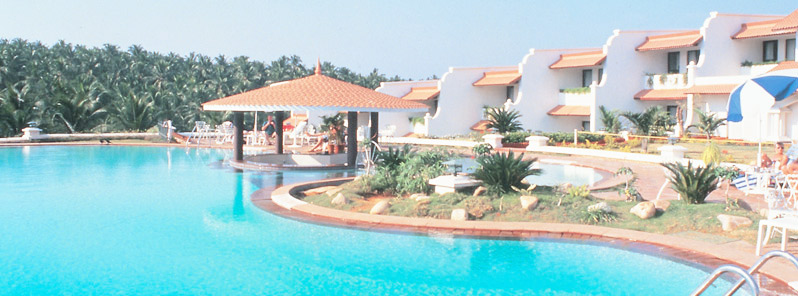
WHAT IS SPA?
The word spa conjures up images of mud baths and meditation classes, spa cuisine in a serene desert setting.
But spas, lately, seem to be popping up everywhere: office buildings, strip malls, village storefronts. Salons and Korean nail places throw the word around. How can they all be spas?
First, there are different kinds of spas. At a destination spa, the whole environment is geared toward the four cornerstones of a spa experience: mind and body fitness, healthy eating, relaxation and treatments. You generally go there for at least two or three nights and immerse yourself in the spa atmosphere. Some people go to help them make lifstyle chnages. The destination spa is sometimes confused with a resort spa, which is one of the many amenities at a resort, along with golf, tennis and as much fatty food as you feel like eating.
At the day spa, people can drop in for massages, facials, body treatments, manicures and pedicures. Often, day spas are an extension of a hair salon. This is fine, as long as the spa offers a quiet, serene, environment.
But no one is regulating use of the word spa. That's why some salons promote spa services when all they have is one massage table, or use names like "spa pedicure." If you have any doubt, check out the facilities yourself before booking an appointment. Just drop in and ask for a quick tour.
At a minimum, a day spa should offer professionally administered massages, facials and body treatments in a quiet, serene atmosphere. At its most elaborate, a destination spa like Canyon Ranch has a staff of physicians, psychologists, nutritionists and physical therapists. It offers so many classes, lectures and services that and so many things going on that you could spend months there and still not experience them all.
What does it mean? It's up to you, the spa-goer to figure out what kind of service and experience you want, and find the place that suits you.
- We chose TSI because they are experts in trips for all ASIA. We planned our honeymoon over Sri LANKA and Maldives with them because they give the best tips, value, conditions, hotels and service for the trip. You have a choffer exclusively for you during all trip, and drop you in the best restaurants, shops and places. choosing TSI is choosing quality rigor, seriousness, profesionalness. .......Guillermo Pombo ,SPAIN
- I have travelled to India with TSI many times because I have full confidence in their superior communication ability to understand my requirements. They are able to make suggestions and answer queries without fear or favour which is very valuable when I organise my small group tours and need their expertise. They have a great team of experienced and young agents who are efficient and empathetic to general enquiries and are always there to support me when I am on tour. Whether emailing from Australia or phoning from India I consider them an integral part of my tour operation. I thank them all most sincerely and congratulate them for a superior and high standard of work and friendship.......... Marnie Barter ,Melbourne, Australia
- We had a marvelous trip to India with TSI. All arrangements like hotel, driver, sightseeings etc. that were organized by them were perfect. On a regular base during our trip the head office of TSI called us to inform if we were still satisfied by the services they provide. And yes, of course we were. Thanks TSI for the gift of a perfect memory......... John Bregman ,NETHERLANDS
- It was an amazing trip. I feel very comfortable and safe with my driver and guides. My guides were warm, welcoming and very knowledgeable. My appreciation for India has increased immensely. I will be returning to India next year and will use TSI's services again. ......... Robin Everett ,USA
- Just a short message to tell you that we are now back to France, after our wonderful stay in India. Everything was so well organized, we were very satisfied with the services of the drivers and guides, and we were happy about our intensive visiting program. We are really fascinated by your beautiful country.........Mihaela and Cornelia ,France
- A very well organised roundtrip through a beautiful country. Nice excursions and still plenty of free time. Very good and friendly driver, who was giving us a lot of extra information and showed us the most beautiful places. India was a very holiday for us thanks to TSI......Nico van der Sluijs ,NETHERLANDS
- It has been a great experience for us to visit india .All trip has been well organized and it has covered our expectations .You(Travel Spirit international) are A very good travel agency and we will comment it to our country’s travel agency. We have been assisted excellently in every moment.The hotels during the whole trip have been very comfortable and nice. The driver Pawan has been on time,and polite ,perfect driver..... Mr. Albert Roig ,Spain
India Tour Packages